
The EU AI Act Clock Banks Are Using Is Already Wrong
EU AI Act Annex III high-risk duties now apply from 2 December 2027. 2 August 2026 still brings Article 50 transparency and enforcement.
Blog
Policy-driven agents, document intelligence, and enterprise automation — from the team building it.
96 articles
EU AI Act Annex III high-risk duties now apply from 2 December 2027. 2 August 2026 still brings Article 50 transparency and enforcement.

Third-party AI risk is the exposure a bank inherits when a vendor ships an agent, or turns on agent features inside a release already under contract.

When vendors change the AI agent billable unit mid contract, unused credits, exclusivity terms and usage cliffs can break next year's budget forecast.

OCC Bulletin 2026-13 and Fed SR 26-2 take generative and agentic AI out of model-risk guidance. Examiners will still ask how banks govern those tools.
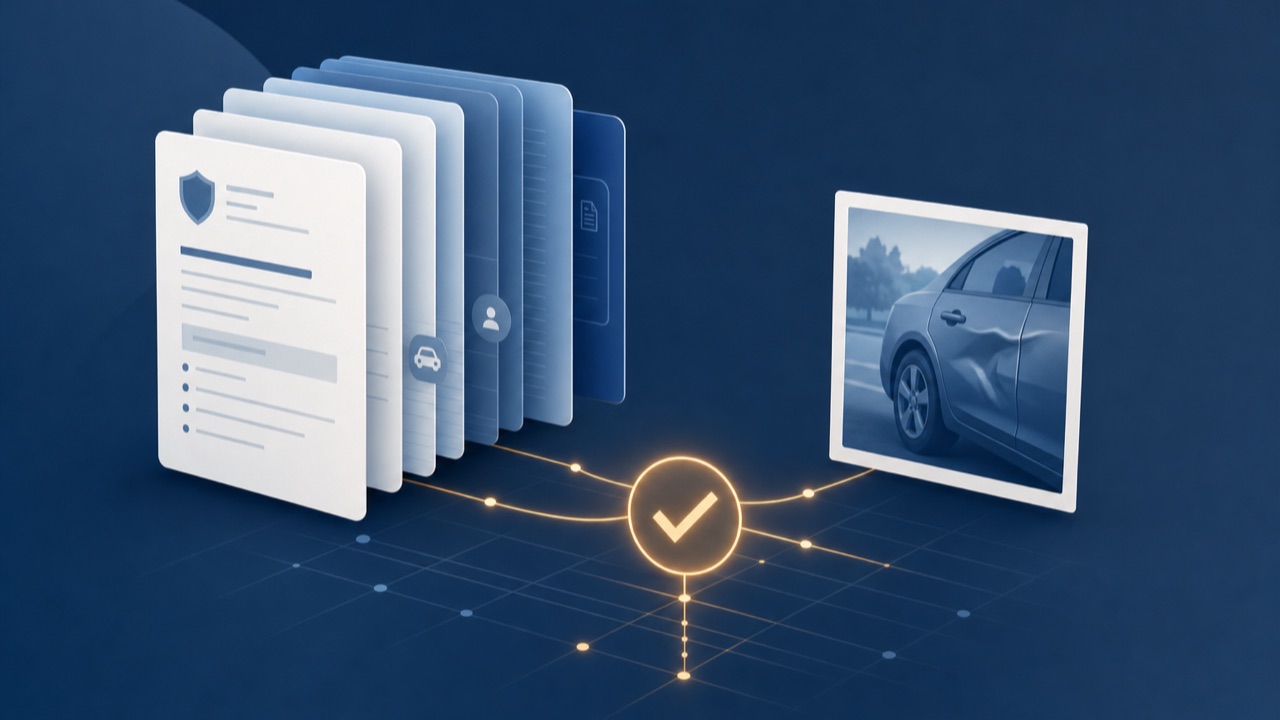
How AI agents adjudicate insurance claims with evidence-linked decisions: document and photo review, policy evaluation, routing and audit trails.

Visual workflow builders demo fast and age expensively: canvas maintenance, branch explosion and diagram drift. The 2026 cost accounting, and an alternative.

RAG retrieves context; audits demand provenance, determinism and policy versioning. Why retrieval alone fails regulated decisions, and what passes.

Four frontier model families shipped in six weeks of summer 2026. What quarterly model churn does to AI budgets, and why model-neutral architecture holds up.

How AI agents automate construction draw reviews: document reconciliation, budget-line policy checks, photo evidence, and results at Built Technologies.

Edit distance, how much reviewers change agent output, is the honest metric for expanding AI agent autonomy, and why accuracy alone is not enough.

What happens in a 60-day AI agent deployment: policy encoding, document calibration, integration, audit-mode shadowing and the gates before production.

MCP lets enterprise buyers expose governed workflows as reusable agent tools while preserving the same policies, permissions, validation, and audit trails.